

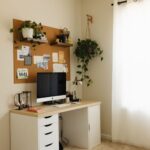


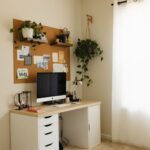





Creating a relaxing home workspace is essential for staying focused, reducing stress, and boosting productivity. Whether you are working remotely full-time or just occasionally, the environment in which you work plays a large role in how efficiently and comfortably you can complete your tasks.
In this post, we will explore practical tips to design a calm and inviting workspace at home. These ideas are aimed at helping you foster concentration while maintaining a sense of peace throughout your workday.
1. Choose a Quiet, Dedicated Space
Find the Right Spot
Start by selecting a space that minimizes distractions. Ideally, this area should be separate from busy parts of your home like the kitchen or living room. If possible, use a spare room or a quiet corner where you can focus comfortably.
Make It Your Own
A dedicated workspace helps your brain associate that area with work, making it easier to switch into a productive mindset. Avoid working from your bed or couch, as those spots are typically linked to relaxation or sleep.
2. Optimize Natural Light and Ventilation
Maximize Daylight
Natural light is one of the best ways to enhance mood and energy levels. Position your desk near a window if you can, but avoid glare on your computer screen.
Fresh Air Matters
Good airflow keeps the space feeling fresh and alerting. Open a window when weather permits or use a fan or air purifier to maintain good ventilation.
3. Invest in Comfortable and Ergonomic Furniture
Choose the Right Chair
Since you’ll spend many hours sitting, pick a chair that supports your posture well. Look for adjustable features and padding to prevent discomfort.
Set Up an Ergonomic Desk
Your desk should be at a height that allows your arms to bend at about 90 degrees while typing. Consider a standing desk or sit-stand converter to vary your posture throughout the day.
4. Keep Your Workspace Organized and Clutter-Free
Declutter Regularly
A messy desk can lead to a cluttered mind. Dedicate a few minutes each day to tidy up your workspace and file away papers or supplies.
Use Storage Solutions
Invest in organizers like trays, shelves, or drawers to keep items like stationery, cables, and documents neatly stored but easily accessible.
5. Personalize Your Space, But Keep It Calm
Add Soothing Elements
Plants, artwork, or calming colors can make your work area more enjoyable without being distracting. Greenery is especially beneficial — it reduces stress and improves air quality.
Limit Overwhelming Decorations
Avoid too many bright colors or busy patterns as these can disrupt concentration. Aim for a balance between personality and tranquility.
6. Manage Noise Levels
Use Noise-Canceling Tools
If your home is noisy, noise-canceling headphones or white noise machines can help block distractions.
Soft Background Music
For some, gentle instrumental music or nature sounds enhance focus. Experiment to see what works best for you.
7. Incorporate Break and Relaxation Areas
Step Away to Recharge
If space allows, create a small area with a comfortable chair or cushion where you can take breaks, stretch, or meditate.
Use Breaks Wisely
Short, frequent breaks throughout the day help maintain productivity. Use your break space to disconnect briefly from work.
8. Control Lighting to Reduce Eye Strain
Use Multiple Light Sources
Combine overhead lighting with task lighting like a desk lamp. Adjustable lamps allow you to direct light exactly where needed, reducing eye fatigue.
Choose Warm, Soft Light
Avoid harsh fluorescent lighting. Instead, use bulbs with warmer tones that create a cozy atmosphere while providing enough brightness.
9. Set Up Technology Thoughtfully
Cable Management
Keep cables organized and out of sight with clips, sleeves, or boxes. This tidiness helps create a cleaner workspace and prevents tangling.
Position Screens Properly
Place your monitor at eye level and about an arm’s length away. This posture reduces neck strain and improves comfort.
10. Establish a Healthy Daily Routine
Start and End Your Day Consistently
Set clear work hours and stick to them. Having a routine signals when it’s time to focus and when to relax.
Include Movement and Hydration
Take time to stretch, walk around, and drink water regularly. These habits support both physical and mental well-being.
—
By applying these tips, you can create a home workspace that feels peaceful and inviting while promoting productivity. Remember, the ideal setup will suit your personal preferences and needs, so feel free to experiment and adjust your space over time.
A relaxing environment not only helps you focus but also supports overall work satisfaction and balance. Start refining your workspace today and enjoy the positive impact on your daily work experience.