

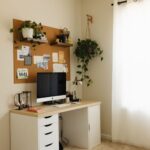


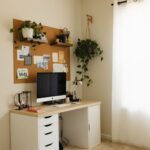




Working from home has become a norm for many, but creating a home office that feels both productive and relaxing can be a challenge. A well-designed workspace influences how you feel and perform throughout the day. With some thoughtful adjustments, you can turn your home office into a welcoming environment that boosts focus while reducing stress. Here are some practical tips to help you create a relaxing home office environment.
1. Choose the Right Location
Find a Quiet Spot
Select a space in your home that is away from heavy foot traffic and noise. If possible, dedicate a room or a corner solely for work to help mentally separate work from relaxation areas.
Maximize Natural Light
Natural light improves mood and energy levels. Position your desk near a window to enjoy daylight. If that’s not possible, consider using full-spectrum light bulbs that mimic natural light.
2. Invest in Comfortable Furniture
Ergonomic Chair and Desk
Comfort is key for long hours at your desk. Choose an ergonomic chair that supports your back and promotes good posture. An adjustable desk (standing desks are a good option) can help you alternate between sitting and standing.
Keep Materials Within Reach
Arrange your desk so that commonly used items (notebooks, pens, chargers) are easily accessible. Reducing the need to stretch or crawl around minimizes distractions and keeps the space feeling tidy.
3. Personalize Your Space
Add Calming Colors
Soothing colors like soft blues, greens, or neutrals can make your workspace feel peaceful. Consider painting a wall or adding accessories (pillows, rugs, artwork) in these hues.
Decorate with Plants
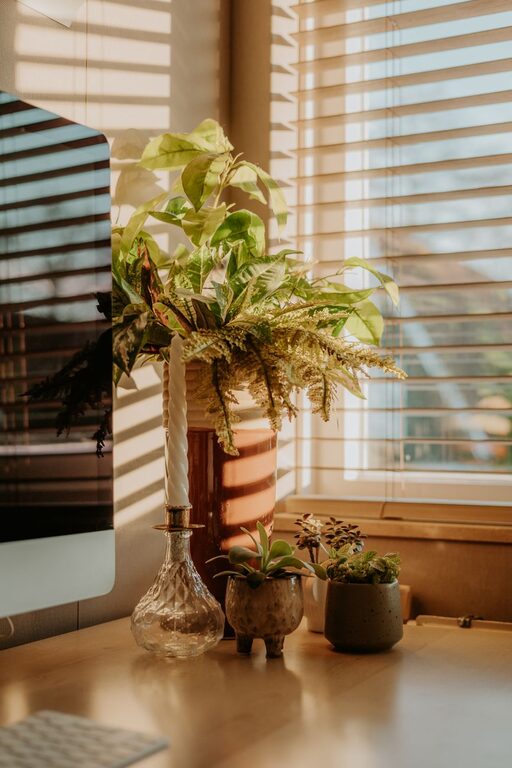
Indoor plants not only improve air quality but also create a calming ambiance. Low-maintenance plants like succulents, snake plants, or pothos are great for busy people.
4. Control Clutter
Declutter Regularly
A messy desk can increase stress and reduce productivity. Use organizers, trays, or shelves to keep papers and tools in order. Clear your desk at the end of each day to maintain a fresh start every morning.
Limit Digital Clutter
Close unnecessary tabs on your computer, organize your desktop files, and use digital tools to keep your workflow simple and clear.
5. Incorporate Soothing Elements
Use Aromatherapy
Essential oils such as lavender, eucalyptus, or peppermint can soothe your mind. Consider a small diffuser to spread pleasant scents while working.
Play Background Music or Nature Sounds
Soft music or nature sounds can drown out distractions and create a zen-like atmosphere. Find playlists meant for concentration or ambient sound apps to keep your focus steady.
6. Optimize Lighting
Use Layered Lighting
Besides natural light, use a combination of ambient, task, and accent lighting. A desk lamp with adjustable brightness helps reduce eye strain during evening work sessions.
Avoid Harsh Overhead Lighting
Bright, glaring light can be fatiguing. Try soft warm bulbs or indirect lighting to create a comfortable environment.
7. Maintain Proper Ventilation and Temperature
Fresh Air Circulation
Work in a space with good airflow. Open a window occasionally or use a fan or air purifier to keep the air fresh and inviting.
Keep a Comfortable Temperature
Temperature affects concentration; a space that’s too hot or too cold can be distracting. Use a thermostat or portable heater/fan to adjust the climate to your preference.
8. Establish Boundaries and Routine
Set Specific Work Hours
To keep your mind in a relaxed state, set clear work hours and stick to them. Knowing when to start and stop helps reduce the stress of blurred work-life boundaries.
Take Regular Breaks
Short breaks refresh your mind. Try standing up, stretching, or a brief walk every 60 minutes to reduce fatigue and improve circulation.
9. Use Technology Wisely
Reduce Blue Light Exposure
Blue light from screens can strain your eyes and affect sleep. Use computer settings or apps that reduce blue light, especially in the evening.
Manage Notifications
Turn off non-essential notifications during focused work sessions. This helps maintain a calm, distraction-free zone.
Final Thoughts
Creating a relaxing home office environment is about balancing comfort, functionality, and aesthetics. By choosing the right location, investing in ergonomic furniture, personalizing decor, and maintaining organization, you can build a space that encourages productivity without sacrificing peace. Remember to take your time with this process and adjust as you discover what works best for you. A calm and inviting home office will not only enhance your work performance but also improve your overall well-being.