
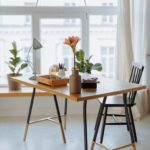
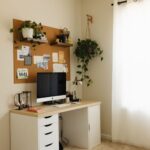




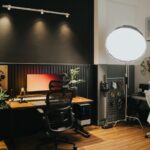
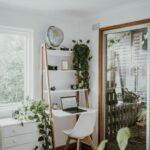
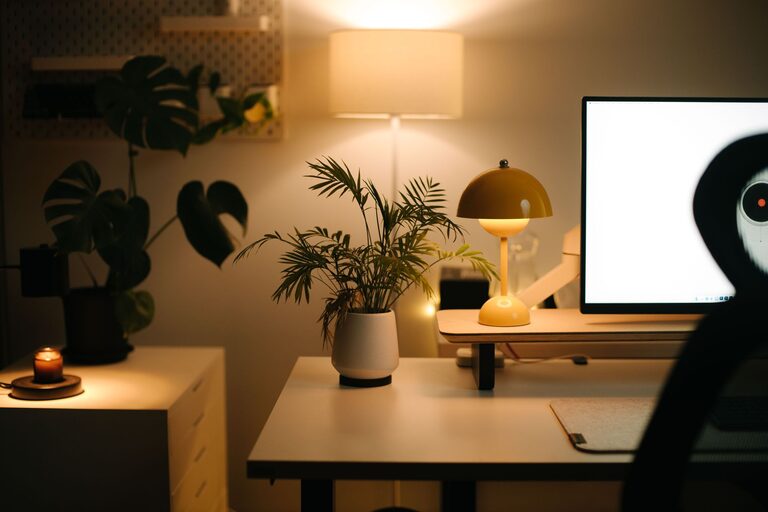
Creating a home office that feels both cozy and productive can transform your work-from-home experience. Whether you are setting up a dedicated room or carving out a corner in your living space, the right environment helps you focus and feel comfortable throughout your workday. Here are practical tips to design a home office space that balances comfort and efficiency.
Choose the Right Location
Consider Natural Light
Natural light can improve your mood and energy, so pick a spot near a window if possible. Position your desk to avoid glare on your screen but still enjoy daylight. If natural light is limited, invest in quality artificial lighting that mimics daylight to keep your space bright and inviting.
Minimize Distractions
Pick a quiet area where interruptions are minimal. Avoid places with heavy foot traffic or noise from appliances. If sound is a challenge, consider using noise-cancelling headphones or a white noise machine to create a calm atmosphere.
Invest in Comfortable Furniture
Ergonomic Chair
A good chair supports your back and encourages proper posture, preventing fatigue and discomfort during long work hours. Look for adjustable features like seat height, lumbar support, and armrests.
Functional Desk
Choose a desk that fits your space and workflow. It should be large enough to hold your computer, paperwork, and any essential tools, but not so bulky that it overwhelms the room. Standing desks or adjustable desks can be a great option for alternating positions throughout the day.
Organize Your Space Efficiently
Declutter Regularly
A tidy desk can enhance focus. Keep only the essentials on your work surface, and store other items in drawers or shelves. Regularly assessing and clearing your workspace prevents clutter buildup.
Use Storage Solutions
Incorporate shelves, filing cabinets, or organizers to keep documents and supplies in order. Vertical storage options help maximize small spaces without crowding your desk.
Cable Management
Keep cords and chargers organized with clips or cable ties. This reduces clutter and prevents accidental disconnections during work.
Personalize for Comfort and Style
Add Cozy Textiles
A soft throw blanket, plush rug, or comfortable cushions can add warmth to your office. These touches make the space inviting, which can encourage longer, more enjoyable work sessions.
Choose Calming Colors
Use colors that promote focus and calmness. Shades like soft blues, greens, or neutrals can create a soothing environment, while brighter accents can add energy.
Incorporate Plants
Indoor plants improve air quality and add a touch of nature. Even a small succulent or a potted fern can enhance the ambiance and reduce stress.
Enhance Productivity with Smart Tools
Use Proper Lighting
A desk lamp with adjustable brightness can reduce eye strain and help maintain alertness, especially during evening hours.
Invest in Quality Tech Accessories
External keyboards, mice, and monitors can improve comfort and efficiency. Position screens at eye level to avoid neck strain.
Set Up a Charging Station
Keep your devices powered and ready. Designate a spot for phone, tablet, and laptop chargers to stay organized.
Establish Boundaries and Routine
Separate Work and Leisure Zones
If possible, keep your home office distinct from areas associated with relaxation. This physical separation helps your brain switch between work and downtime.
Develop a Daily Schedule
Structure your day with clear start and end times. Regular breaks and a consistent routine can improve focus and prevent burnout.
Final Thoughts
Creating a home office that’s both cozy and productive involves thoughtful design, comfort, and organization. By selecting the right location, investing in ergonomic furniture, and personalizing your space, you can craft an environment that supports your best work. Remember, a well-designed home office not only boosts productivity but also makes working from home a more enjoyable experience.